It’s no secret—our work lives and private lives usually really feel like they’re competing in a endless tug-of-war. Whether or not you’re a enterprise chief, a excessive achiever, attempting to carve out a little bit extra time to your well being and wellbeing, or just attempting to maintain your head above water in a demanding profession, the elusive idea of “work-life balance” feels, effectively… not possible. That’s as a result of, as Dr. Janna Koretz places it, it form of is.
“Work-life steadiness isn’t an correct assertion,” says Dr. Koretz, medical psychologist and knowledgeable on management and psychological well being. “I desire work-life integration as a result of it’s not possible to have steadiness on a regular basis in our present work local weather. As an alternative, folks ought to concentrate on optimizing their well being and total well-being inside the work constraints that they’ve.”
Dr. Koretz brings greater than a decade of experience to this dialog. By her remedy follow, Azimuth, she has guided numerous professionals in high-pressure fields like legislation, finance, and tech towards a more healthy, extra sustainable path. And now, she’s sharing her data with us.
Interested in how one can set boundaries, keep away from burnout, or create a extra psychologically-healthy office? You’re in the correct place. Dr. Koretz’s Q&A is brimming with actionable ideas and highly effective insights that can assist you thrive.
Let’s dive in!

 Alison: You discuss loads about work life integration. What does work life integration seem like and the way does striving for it differ from the elusive work life steadiness?
Dr. Koretz: Steadiness implies that issues will really feel equal and there will likely be a state of stream between work and residential life, which is an not possible aim. Integration nonetheless, is about intertwining work and residential life duties, the aim is to not have an equal steadiness from all sides, however as an alternative a approach to do duties from all sides effectively, which normally means interspersed. Issues like taking work calls when driving to select up, producing grocery buying checklist whereas on a zoom name you don’t actually should be part of, or flexing you time so you’ll be able to choose up your children and have dinner, and end up your work after that.
Alison: Everyone knows how necessary self-care is for our skill to deal with challenges and deal with stress. What recommendation are you able to give to these with high-pressure, “always-on” careers to efficiently set a schedule for themselves that provides them “white area” for train, sleep, and decompression?
Dr. Koretz: You will need to set small, boring, and manageable targets. When you’re trying to sleep extra, it’s unrealistic to suppose you’ll be able to go from sleeping 6 hours every night time to eight or 9. As an alternative, attempt to get to mattress quarter-hour earlier for just a few days or attempt to sleep in a single weekend day. Smaller targets usually tend to succeed as a result of they don’t require quite a lot of habits change or psychological effort, and in combination these adjustments add as much as make an enormous distinction. Small adjustments can even shift you into mindset the place you understand you’ll be able to actually do issues otherwise, which continues the cycle of change.
Alison: Setting a schedule is the first step, however for these with high-pressure, “always-on” careers it can be troublesome to defend these boundaries with their boss, purchasers, and direct experiences. What steerage are you able to share about creating and speaking boundaries so you’ll be able to observe by way of along with your private self-care schedule?
Dr. Koretz: You will need to know your workplace tradition, know your viewers, and to be curious and type. When you current your boundaries aggressively and with out dialogue, they won’t be revered. As an alternative, being interested by how these boundaries will influence different folks at work reveals respect and that you just’re open to inventive options and dealing as a group to ensure everyone seems to be taken care of.
Alison: How can leaders in high-pressure environments create extra psychologically-healthy office?
Dr. Koretz: Leaders have to lead by relationship. The flexibility to take psychological well being days and different nods to selling psychological well being at work don’t imply something if staff don’t know and belief their management. Leaders have to spend the time attending to know and listening to their staff to forge significant relationships so staff really feel snug doing what they should do for his or her psychological well being.
Alison: Every other ideas for these with high-pressure, “always-on” careers to thrust back private {and professional} burnout?
Dr. Koretz: You will need to actually consider your private values. A lot power comes from actually caring about valuing your job. And since most individuals have by no means taken the time to actually take into consideration what’s necessary to them and why, their job duties are sometimes at odds with their values, which exacerbates burnout.
How are you going to begin integrating work and life? Which of Dr. Koretz’s ideas speaks to you most? —Alison
_______________________________
Alison Heilig is the Editor-in-Chief at FBG and Head Hypewoman at Miles To Go Athletics. She divides her time between operating, lifting, climbing along with her canine, snuggling along with her canine, and supporting sturdy ladies on the earth (and training up those that aspire to be). Yow will discover and join along with her on IG @itsalisonheilig.
Trending Merchandise

Fit Simplify Resistance Loop Exercise Bands with I...
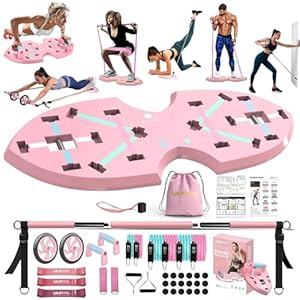
LALAHIGH Portable Home Gym System for Men and Wome...

ATIVAFIT Exercise Bike Foldable Fitness Indoor Cyc...


WALITO Resistance Bands Set – Exercise Bands...